mare/
mare/SIT-PLU — Riverscapes and their Ecological Interconnections
The situated residency program curated by Lungomare
Riverscapes and their Ecological Interconnections is the residency program curated by Lungomare for Situated Creative Practices for the Pluriverse (SIT-PLU), a Creative Europe Cooperation project addressing socio-ecological challenges through context-specific artistic interventions.
Drawing on the Zapatista concept of the pluriverse—“a world where many worlds fit”—the project embraces diverse ways of knowing and living, foregrounding buen vivir (social well-being), communal interdependence, and relationships between human and more-than-human entities.
SIT-PLU is structured around three main components: Situated Residencies (SIT-RES), Pluriversal Laboratories (PLU-LABs), and an Exchange & Evaluation Programme (EX-EV). These activities foster artistic experimentation and knowledge sharing across various European regions.
The residencies take place in four different contexts, exploring innovative perspectives on cross-disciplinary research and new forms of context-specific artistic intervention through a situated approach.
The four organisations hosting the residencies are:
- ZEMOS98 (Spain) – Exploring rural practices in the Cantabrian Mountains
- Idensitat (Barcelona) – Engaging with urban-social dynamics near the Besòs River
- Lungomare (Bolzano) – Investigating riverscapes and their ecological interconnections
- Baltan (Netherlands) – Highlighting rural futures at Landpark Assisië in Noord-Brabant
Lungomare’s Residency Program
The artistic residencies at Lungomare will focus on “Liquid Territories as Learning Sites” within FLUX – River Interventions and Explorations.
The selected artist, urban practitioner, or collective will work on site-specific interventions addressing the river’s ecological, cultural, and social dimensions.

Residency 2026
The first project selected for the SIT-PLU residency, which will start in January 2026, is “Get Wet!“ by the artist collective WOOPS (Hannes Gröblacher, Lilli Lička, Mira Samonig).
The focus goes on Bolzano’s river landscapes and the materiality of water. Through participatory, collaborative, and performative actions, the artists explore different properties of water – from color and temperature to driftwood and particles – creating fluid bridges for exchange, surprise, and shared experiences.
With humor, absurdity, and banality, get wet! invites the audience to develop new perspectives on urban space and the relationship between humans and the more-than-humans.
WOOPS combines performative practice with civic engagement to reflect on and make tangible public spaces, sustainability, and social justice.
Find out more about the project here.
— WOOPS (Work On Outrageous Public Spaces), Hannes Gröblacher, Lilli Lička, Mira Samonig
The project team for get wet! consists of Hannes Gröblacher, Lilli Lička and Mira Samonig, the heads of the WESTBAHNPARK.LIVE initiative, a civil engagement endeavour aimed at improving urban public spaces in relation to climate change, green space justice, urban development and the non-human perspective. This interdisciplinary trio has collaborated on several performative actions in public spaces. Each of them has their own practice and background, and they all teach, research, publish and collaborate in varied teams. Together they gave presentations, talks and lectures and reflected on their artistic practice.
Hannes Gröblacher and Lilli Lička are founding members of BLA. (Büro für lustige Angelegenheiten – Office of Droll Concerns), where they developed and carried out performative actions in public spaces since 2012. The aim of BLA was to address topics where societal conditions manifest in public spaces, such as borders, the distribution of spaces, and rules and regulations.
Residency 2027
The open call has closed. Selection process in progress.
The Public Program
Plurima | Temporary Bookshop for the Pluriverse

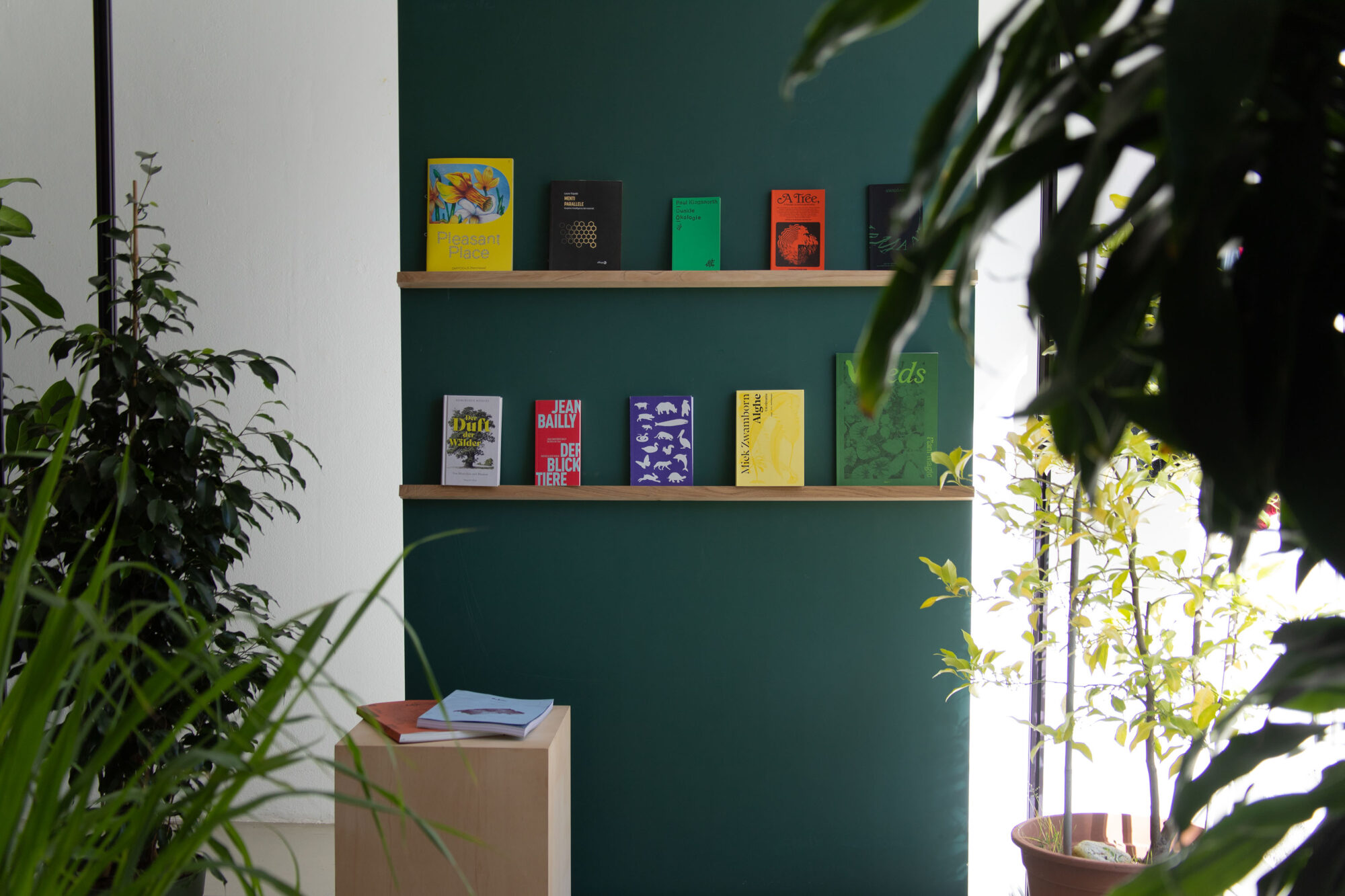
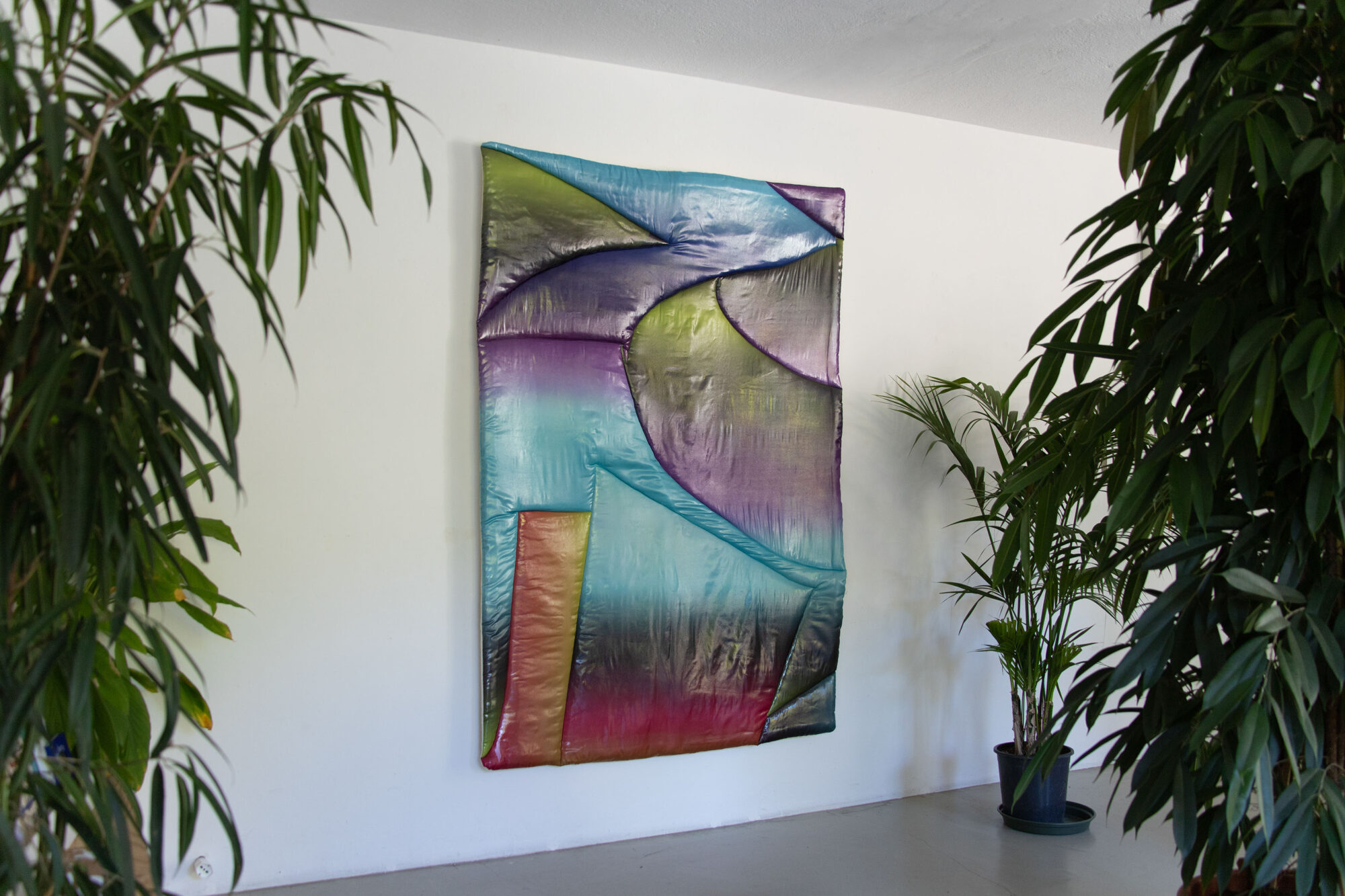


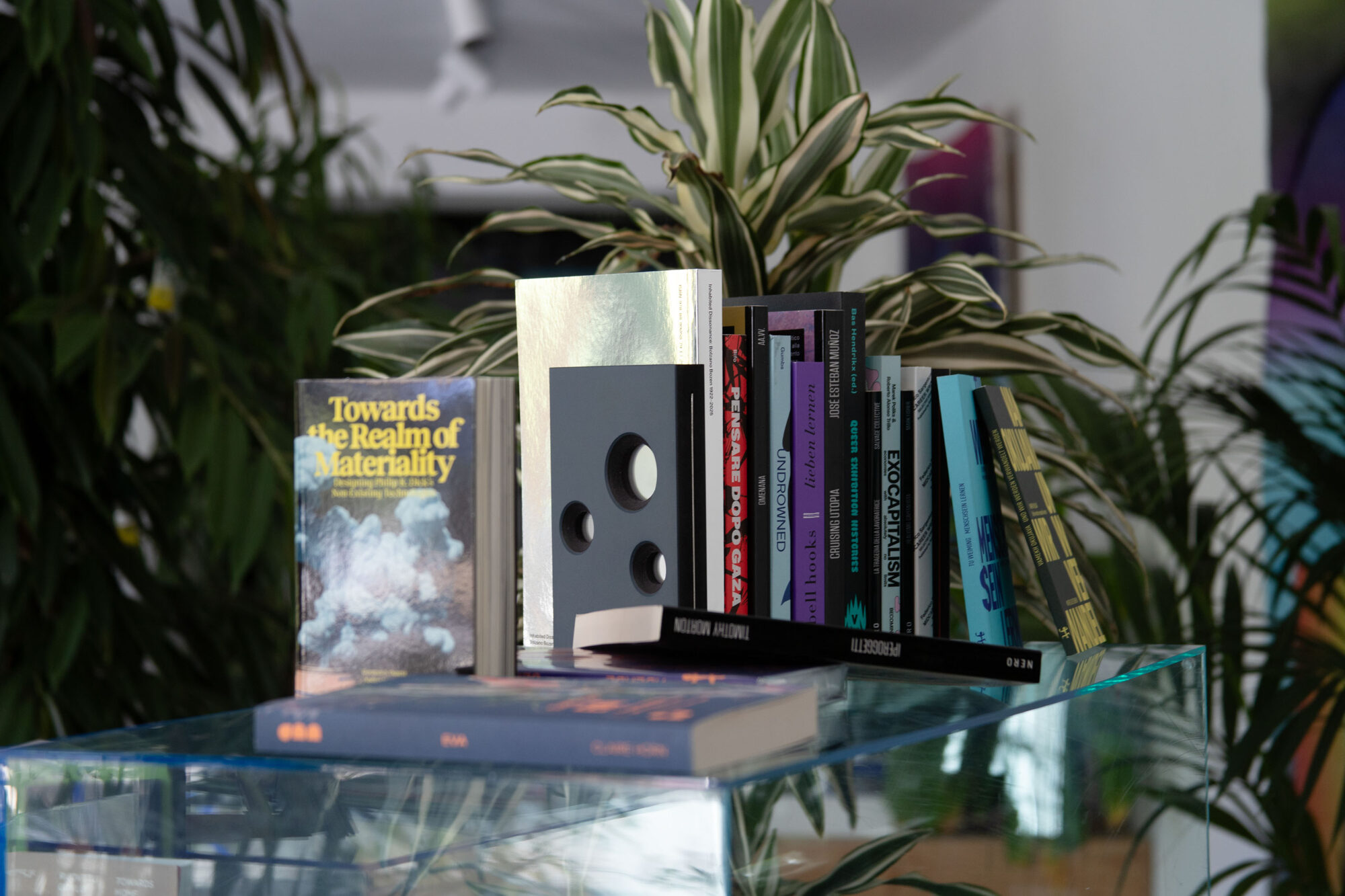
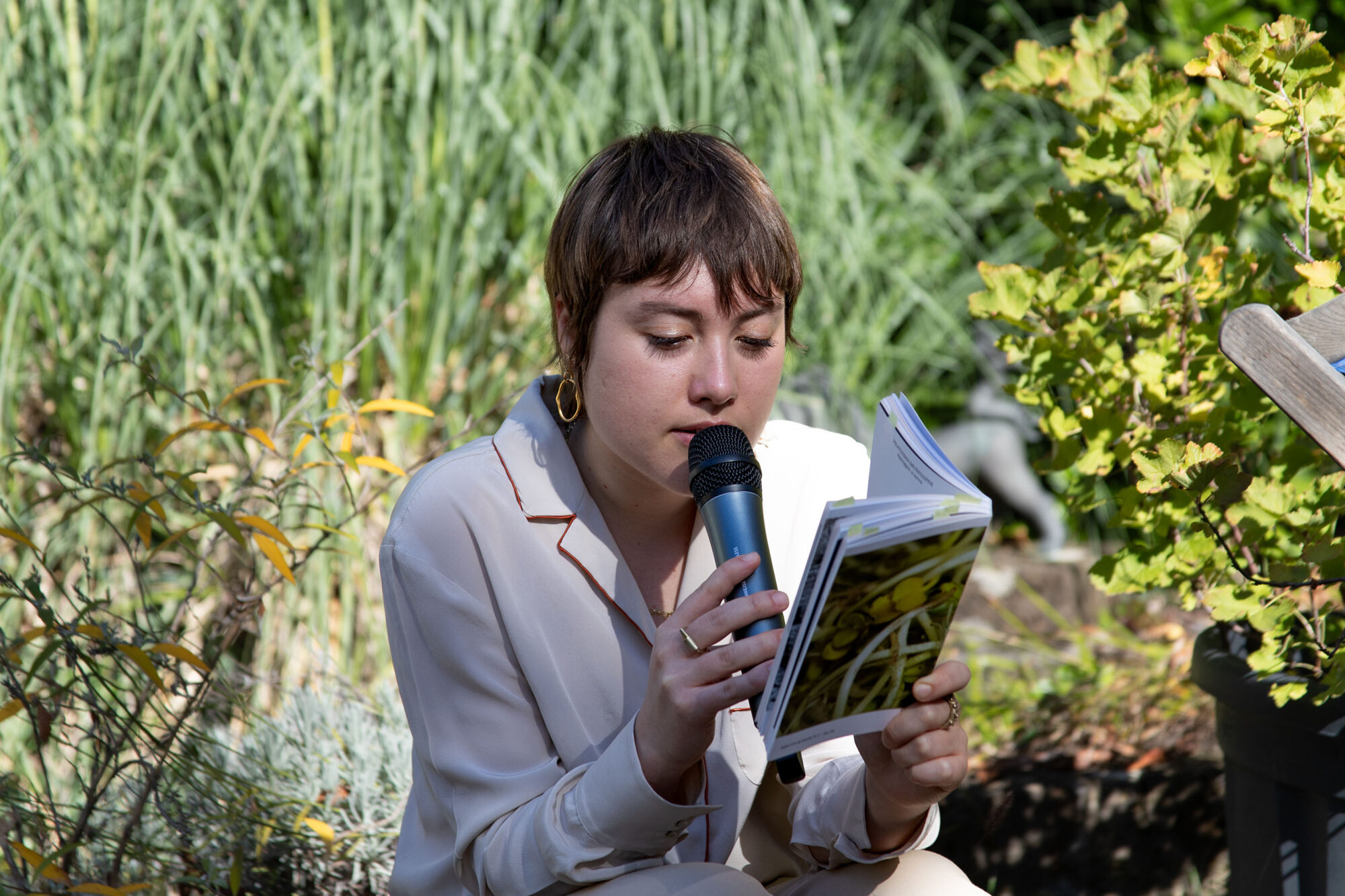


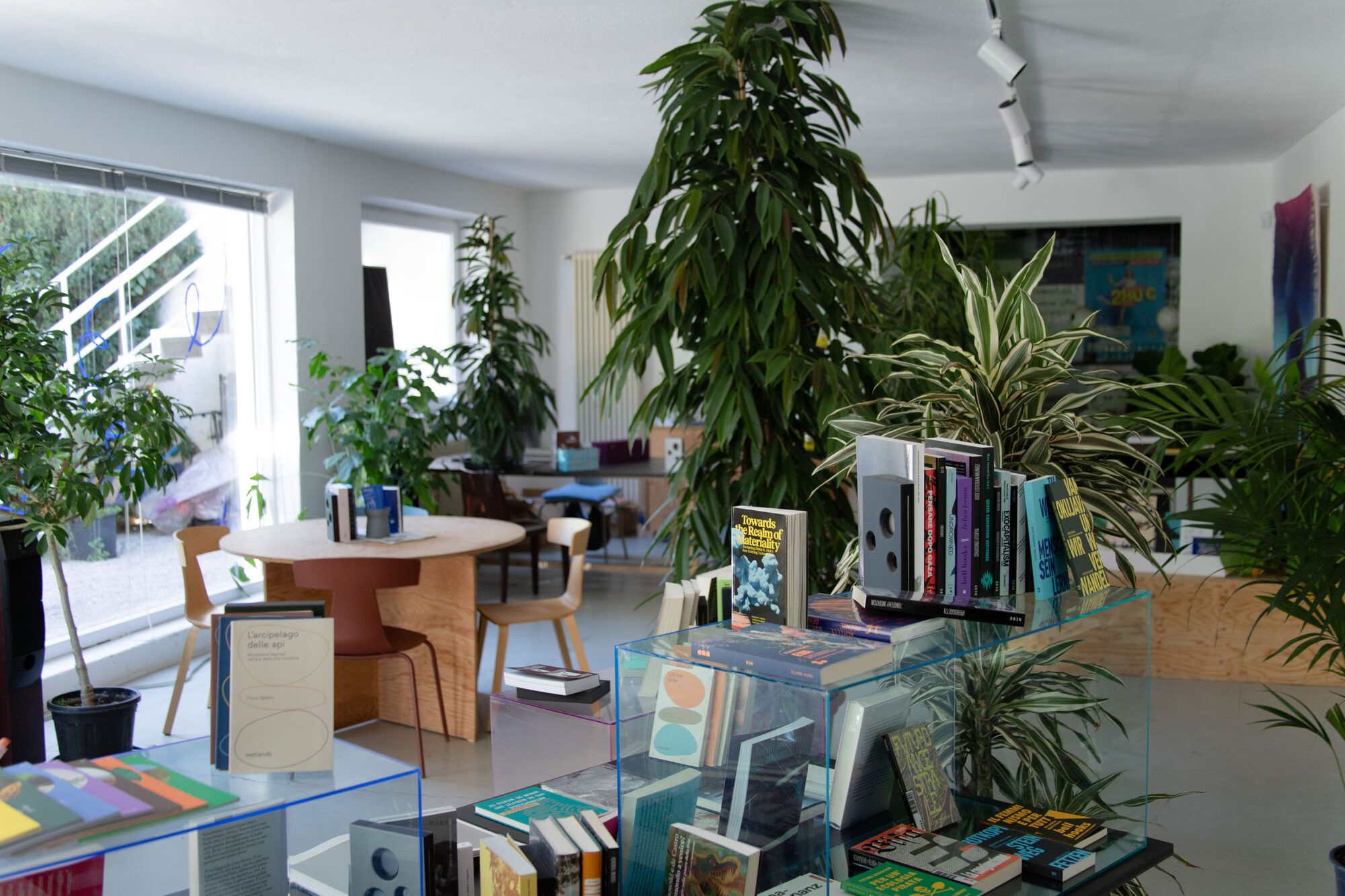

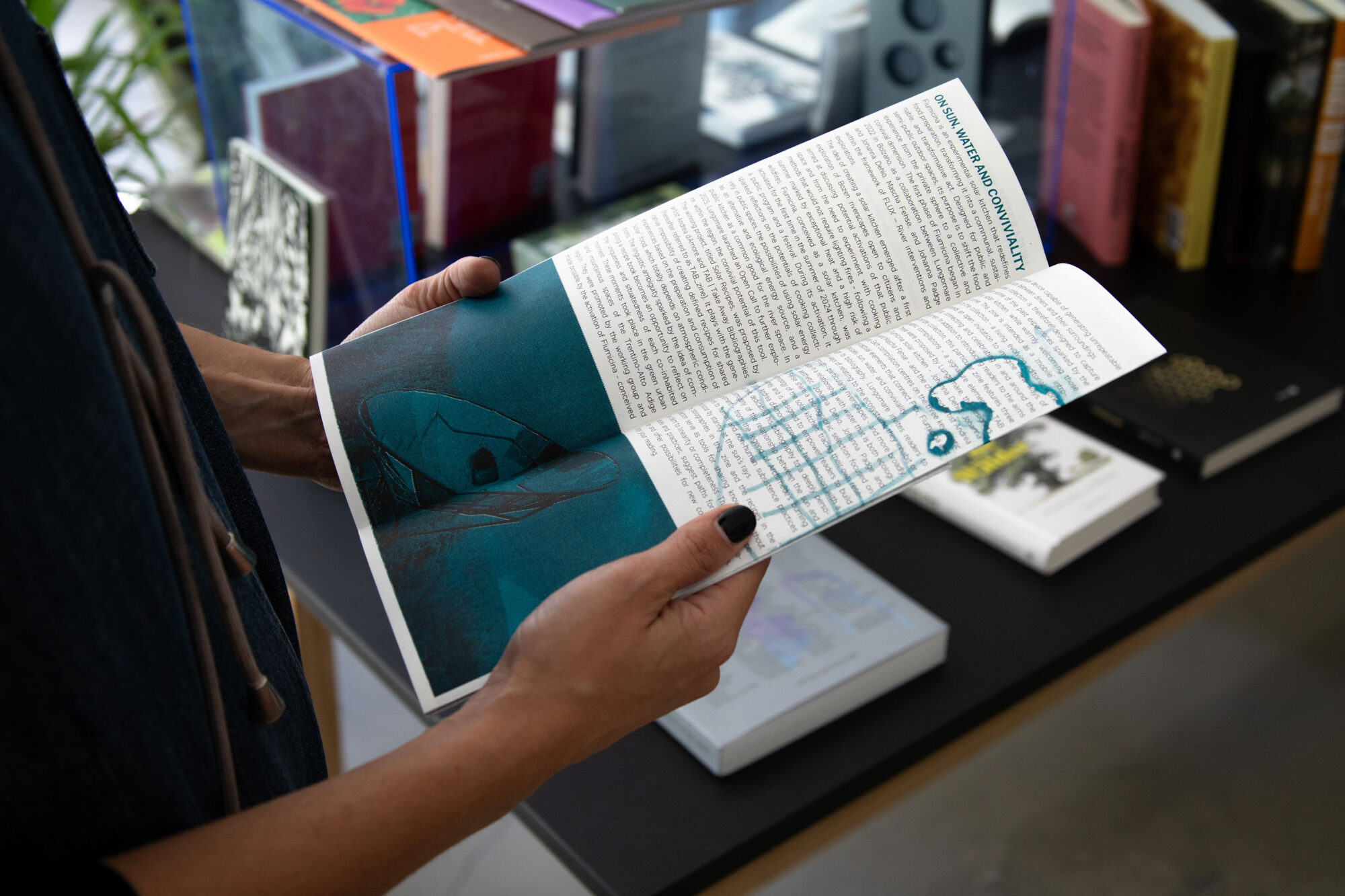


Plurima is a temporary bookshop curated by Lungomare and bruno, which, starting from the concept of the pluriverse, invites the public to explore texts that investigate new ideas of matter and trace the outlines of an ecological lexicon for the future.
Part of the fifth edition of BAW, Plurima was open to visitors from October 7 to 11. The bookshop offered a selection of texts that move in two main directions: on one hand, the development of a new concept of matter as an active subject and agent; on the other, the increasingly urgent task of constructing an ecological vocabulary capable of describing a world in transformation.
The spaces of Plurima at Lungomare hosted, amongs books, the textile work series DO YOU RECOGNIZE THE CORNER NEXT TO THE WINDOW? by artist Barbara Prenka, a series developed with support from Lottozero, and the new bookend collection by insalata-mista.
Progettare il cambiamento
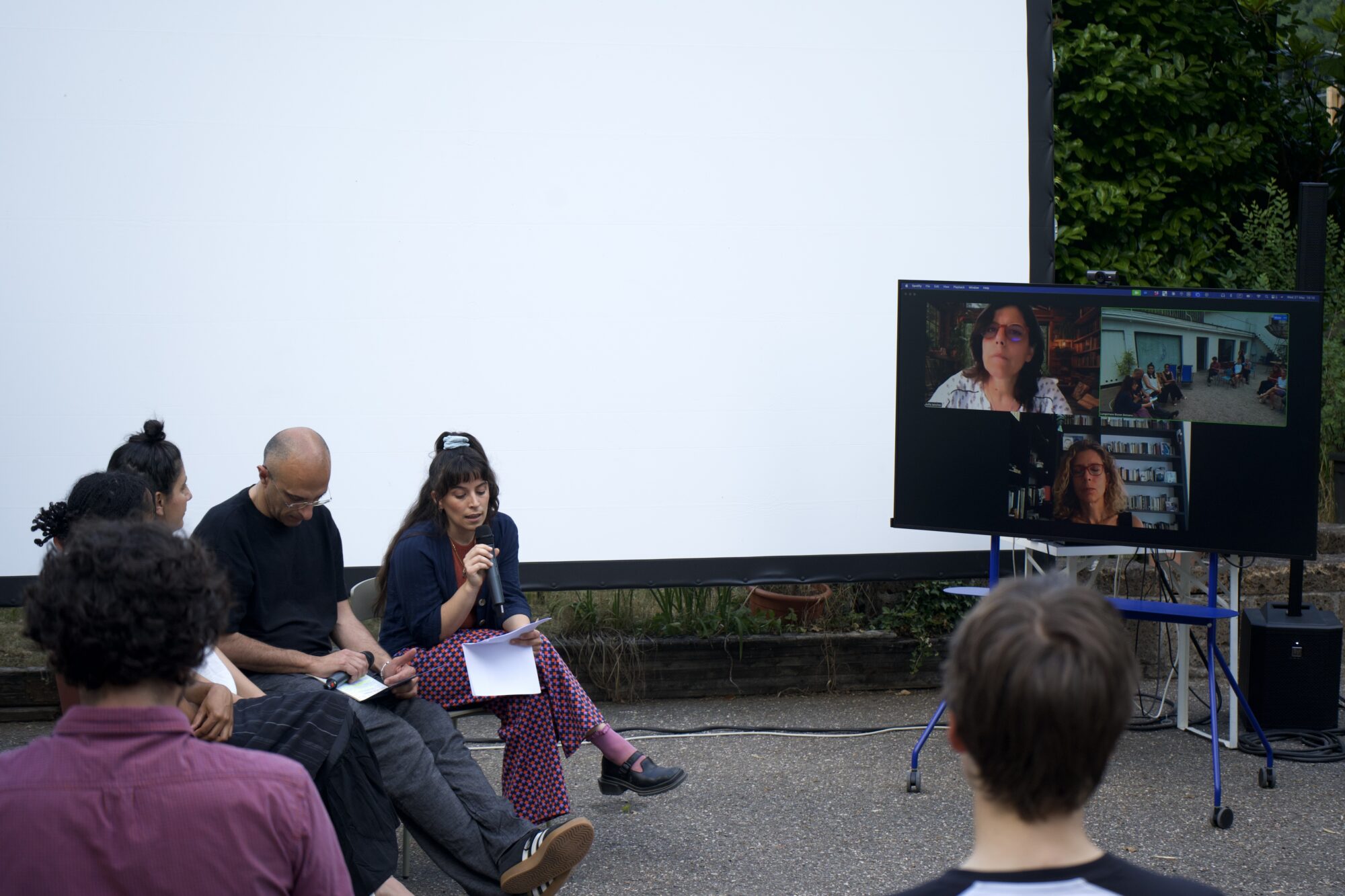
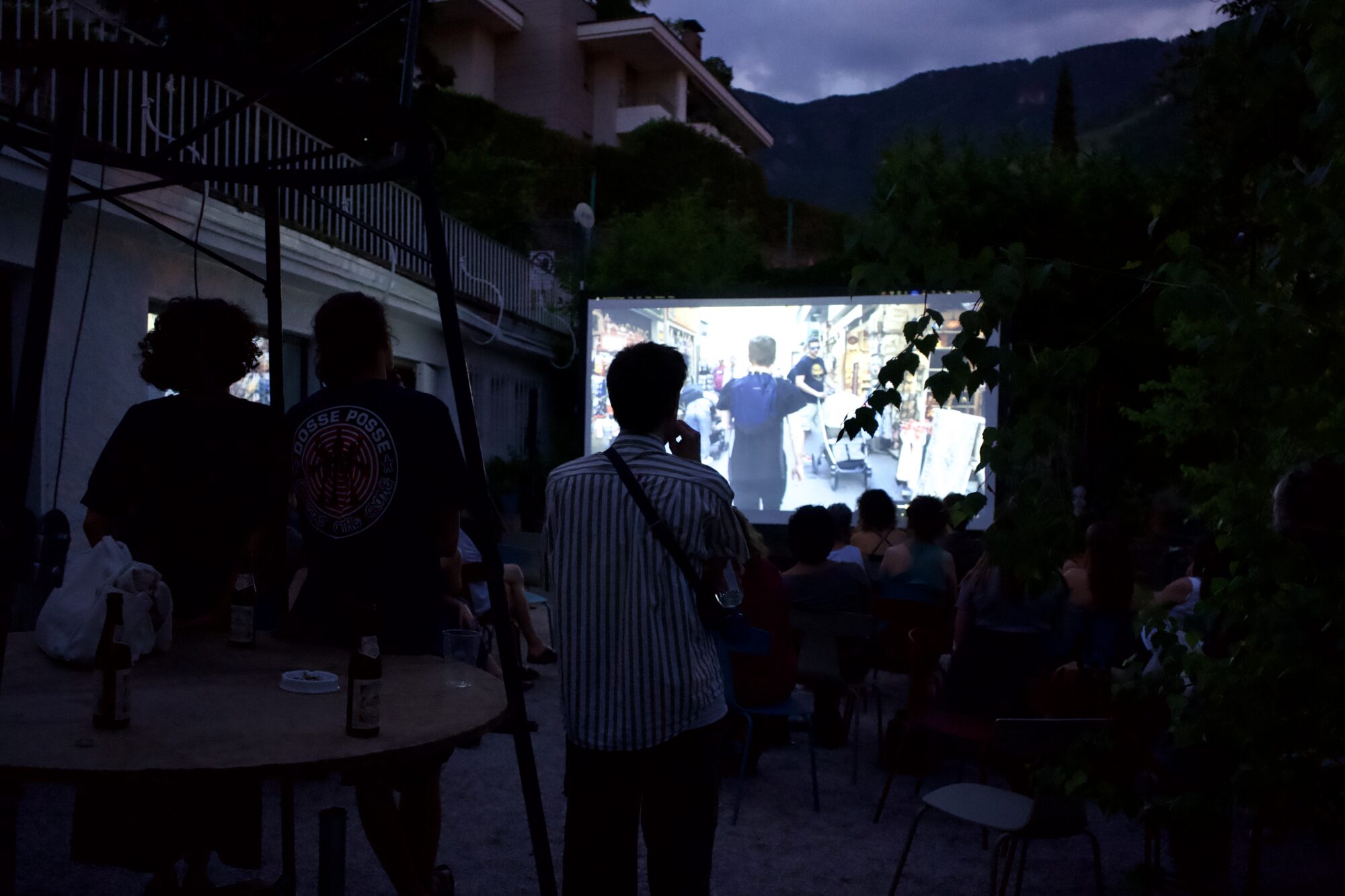
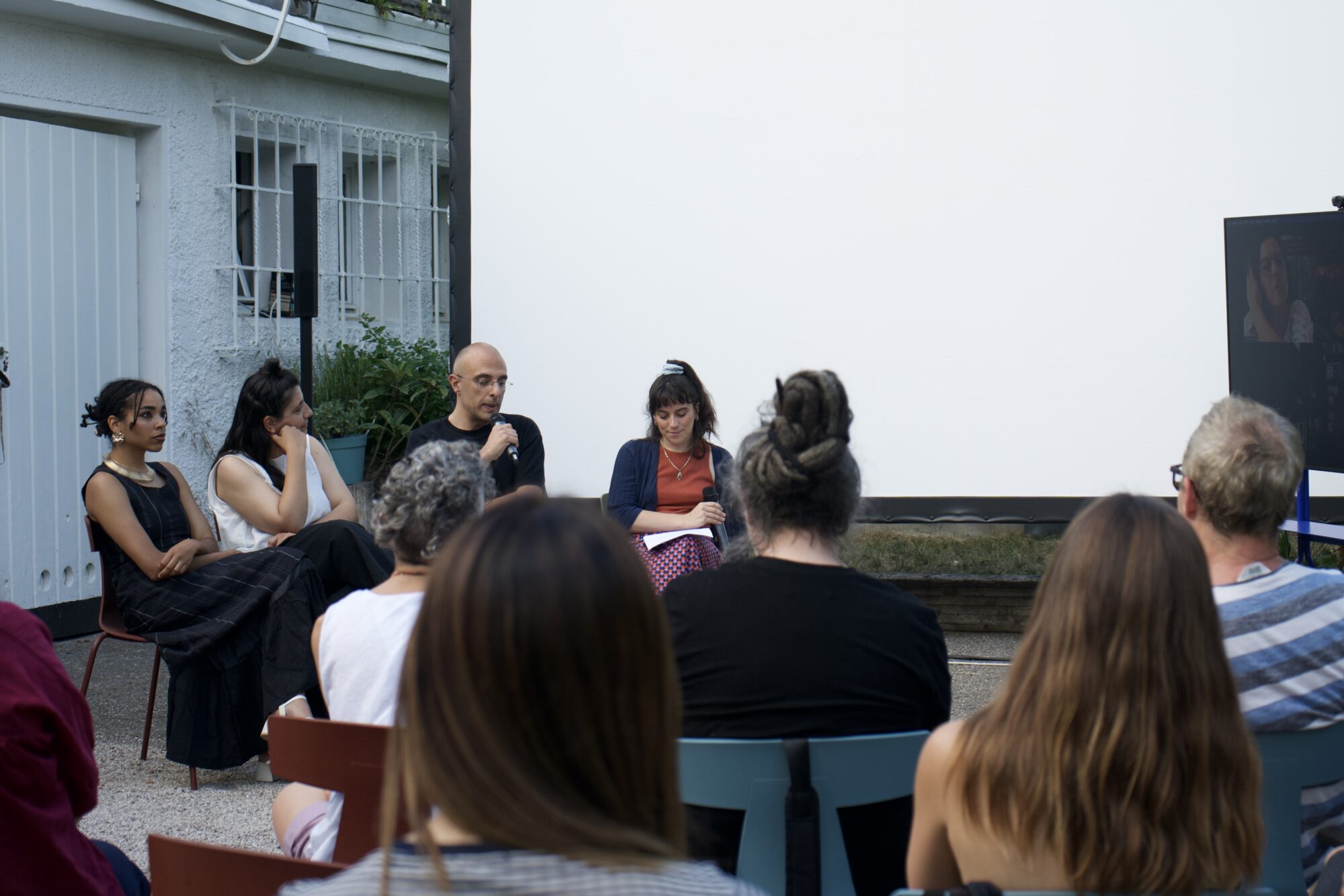
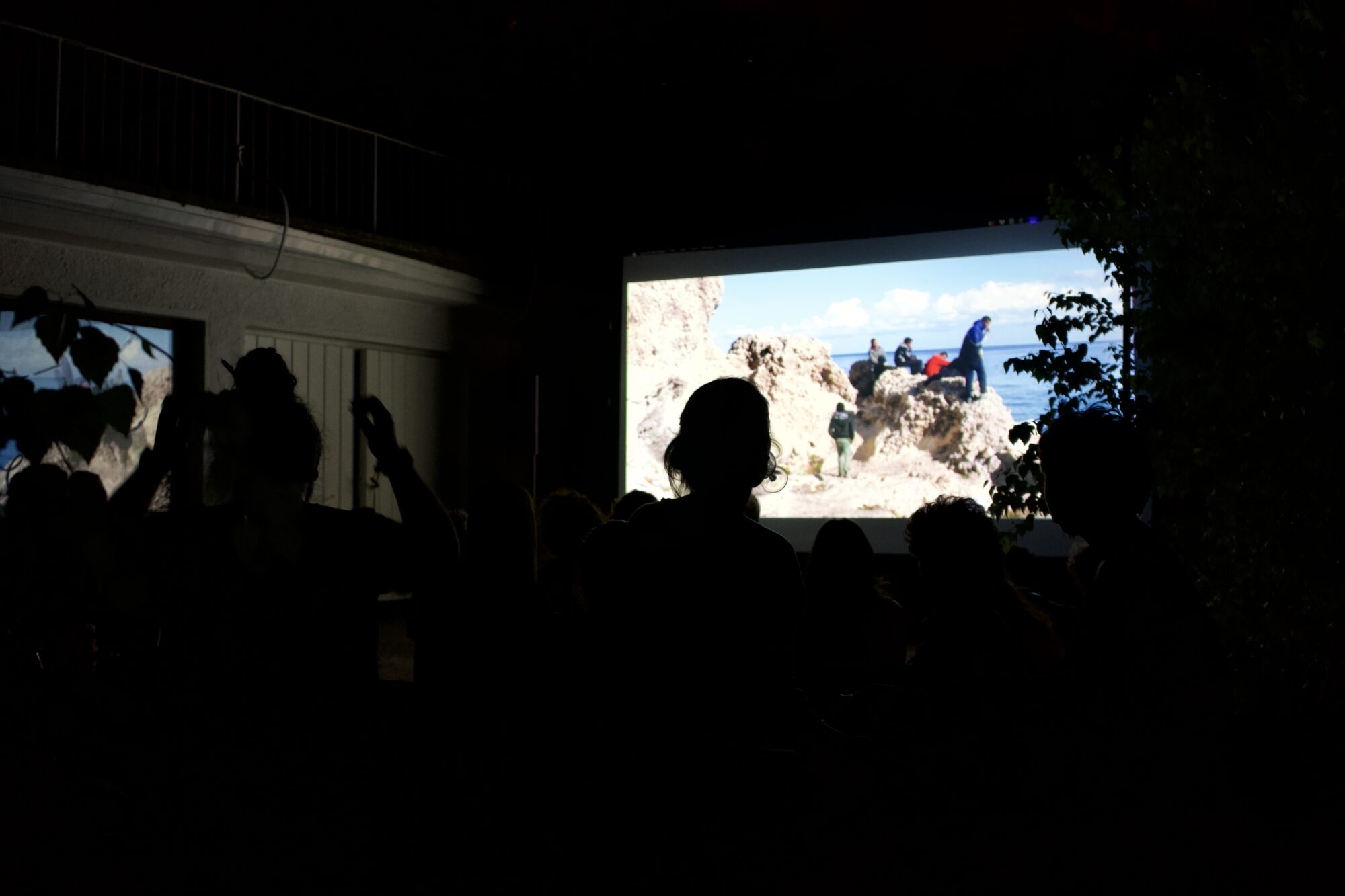
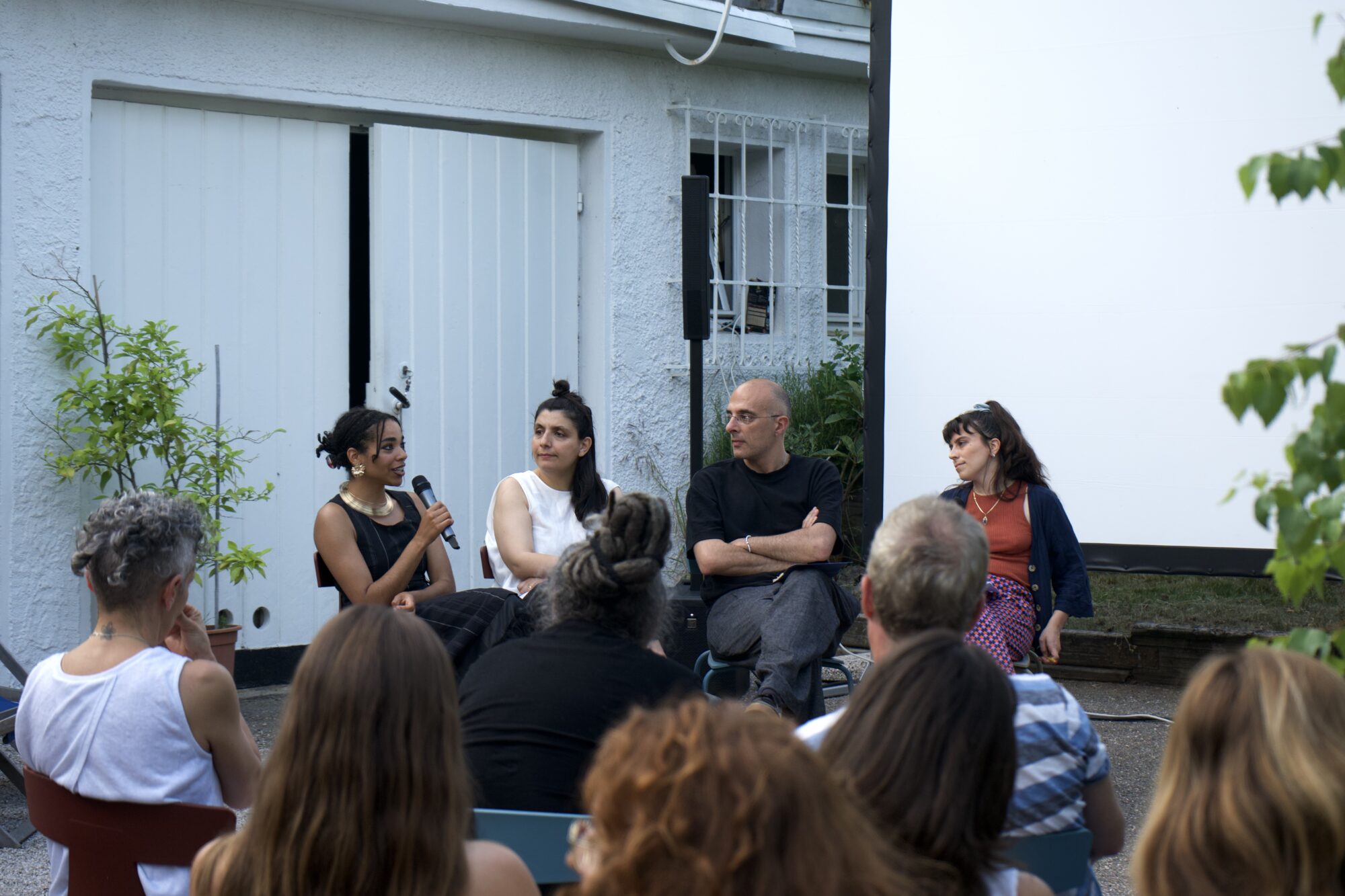
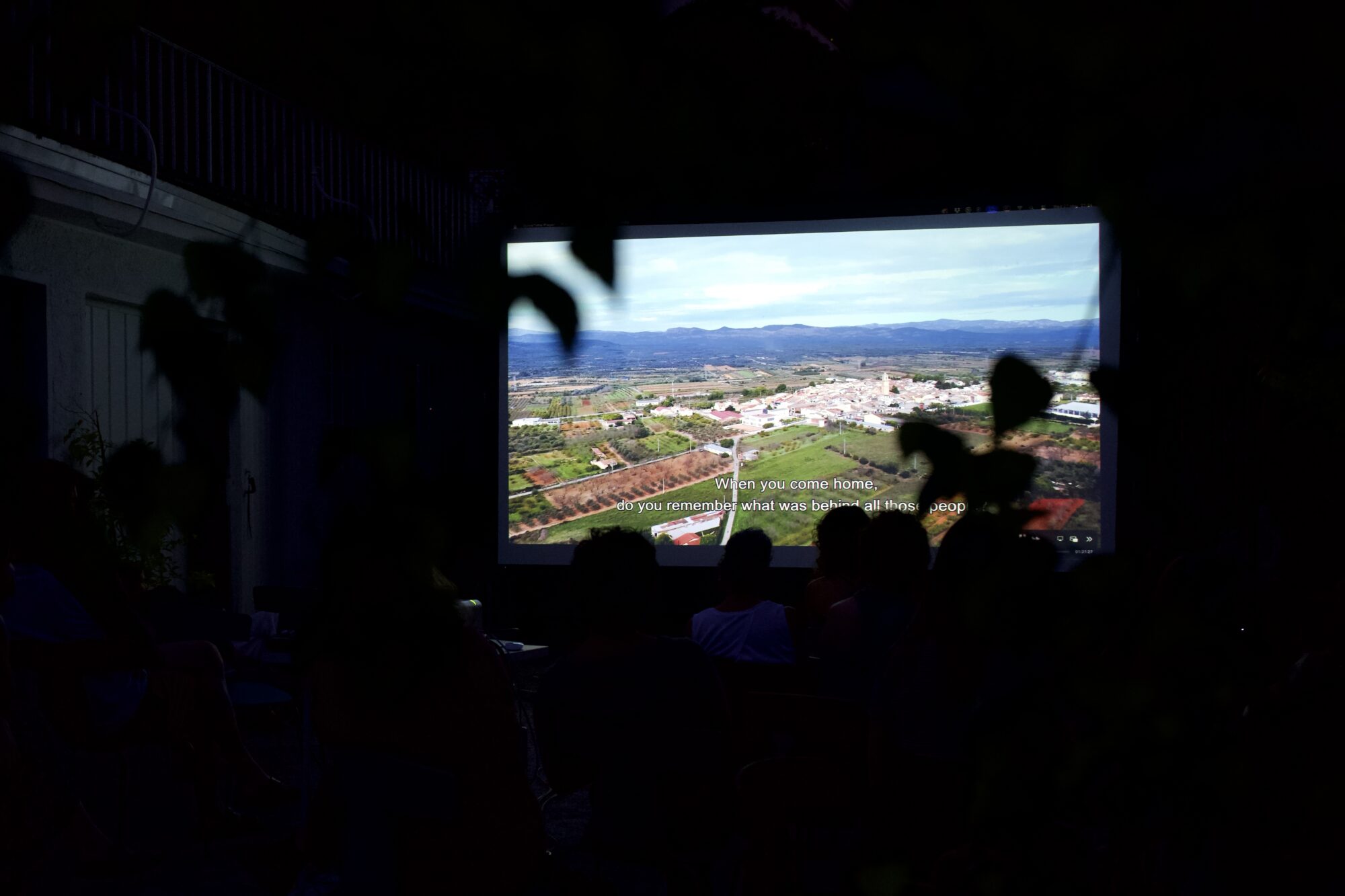
Progettare il cambiamento is an evening of screenings and conversation that brings together students, researchers, and faculty from the Universitat Politècnica de València, ZeLIG – School for Documentary, and the Master in Eco-Social Design at the Faculty of Design and Arts of the Free University of Bozen-Bolzano. The event expands the third edition of Proyectar el cambio, a programme curated by José Albelda and Lorena Rodríguez Mattalía, by placing a selection of short films from the original series in dialogue with local audiovisual works and research practices developed in South Tyrol.
Alongside the selected films from Proyectar el cambio, the programme includes ¿ME ENTIENDES? (2022) by Otto Lazić-Reuschel and two short films produced within the Master in Eco-Social Design: THE GOAT WHO CAME BACK HOME (2026) by Alessia Formica and How to Community? (2026) by Greta Cazzanelli, Clara Dolder, and Linda Enrich. Through screenings and a public discussion with filmmakers, researchers, and educators, the event reflects on how moving images can contribute to understanding contemporary eco-social transformations and imagining alternative futures.
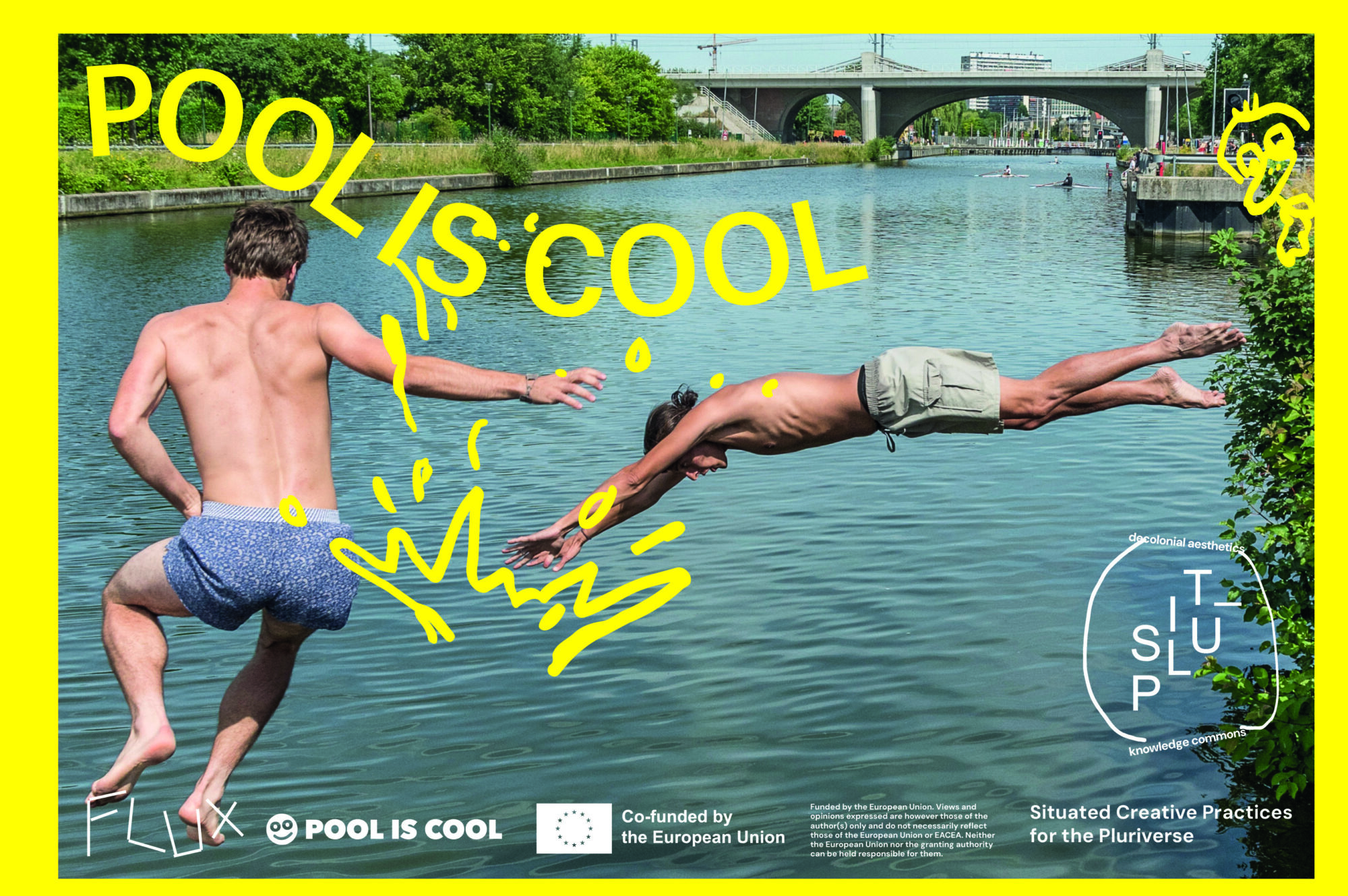
Paul Steinbrück from POOL IS COOL for Flussbaden Bozen-Bolzano
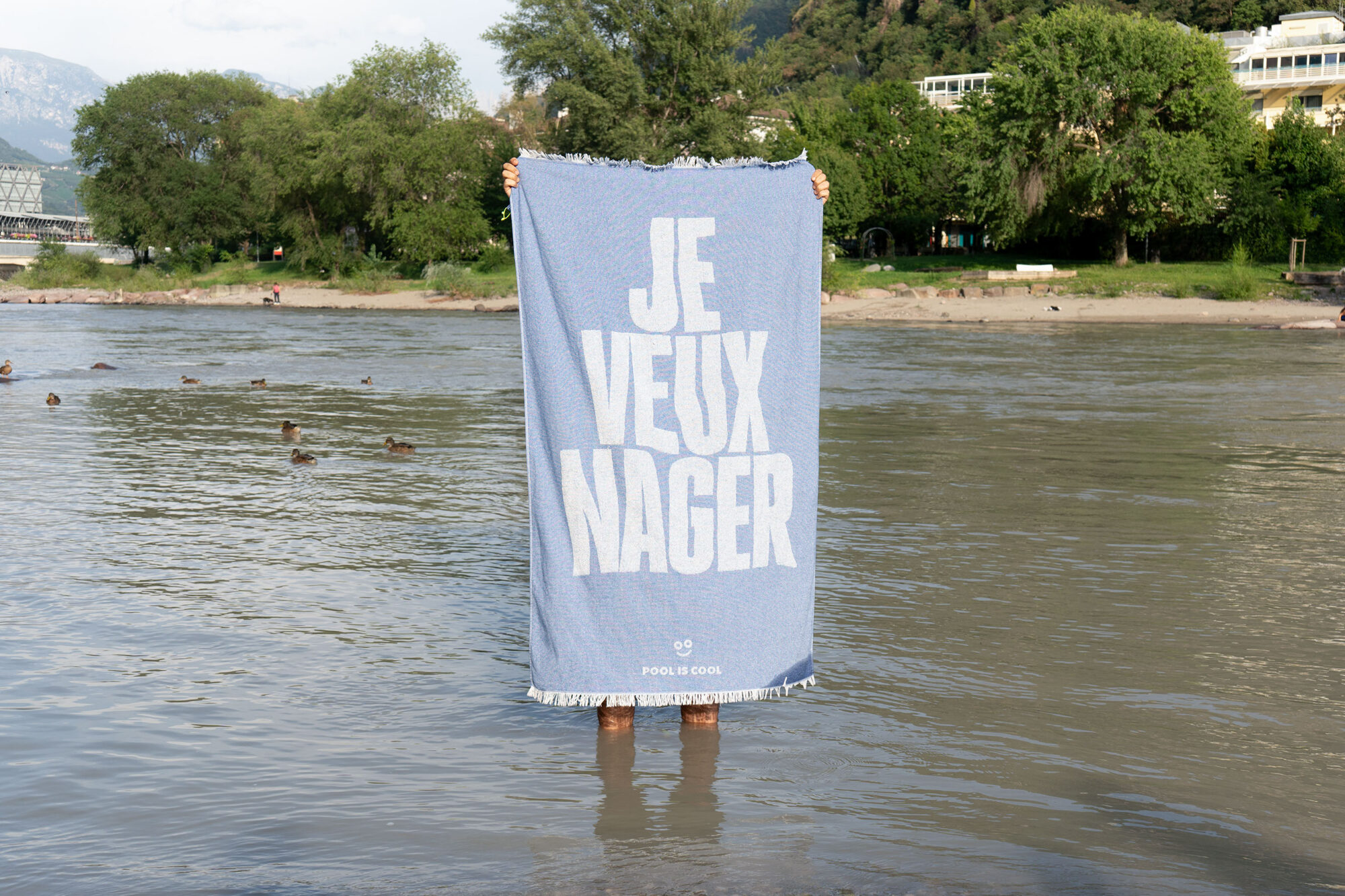
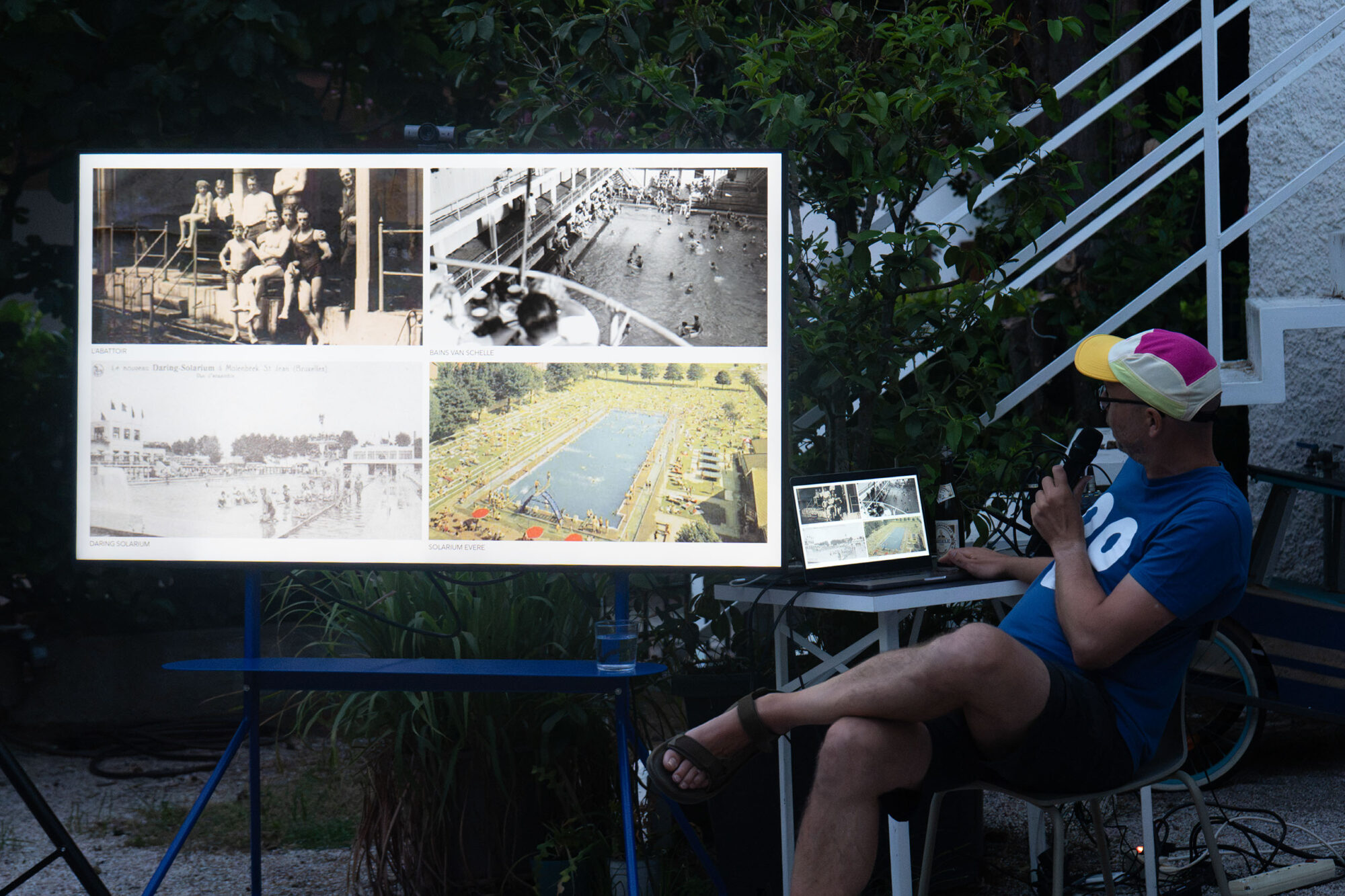
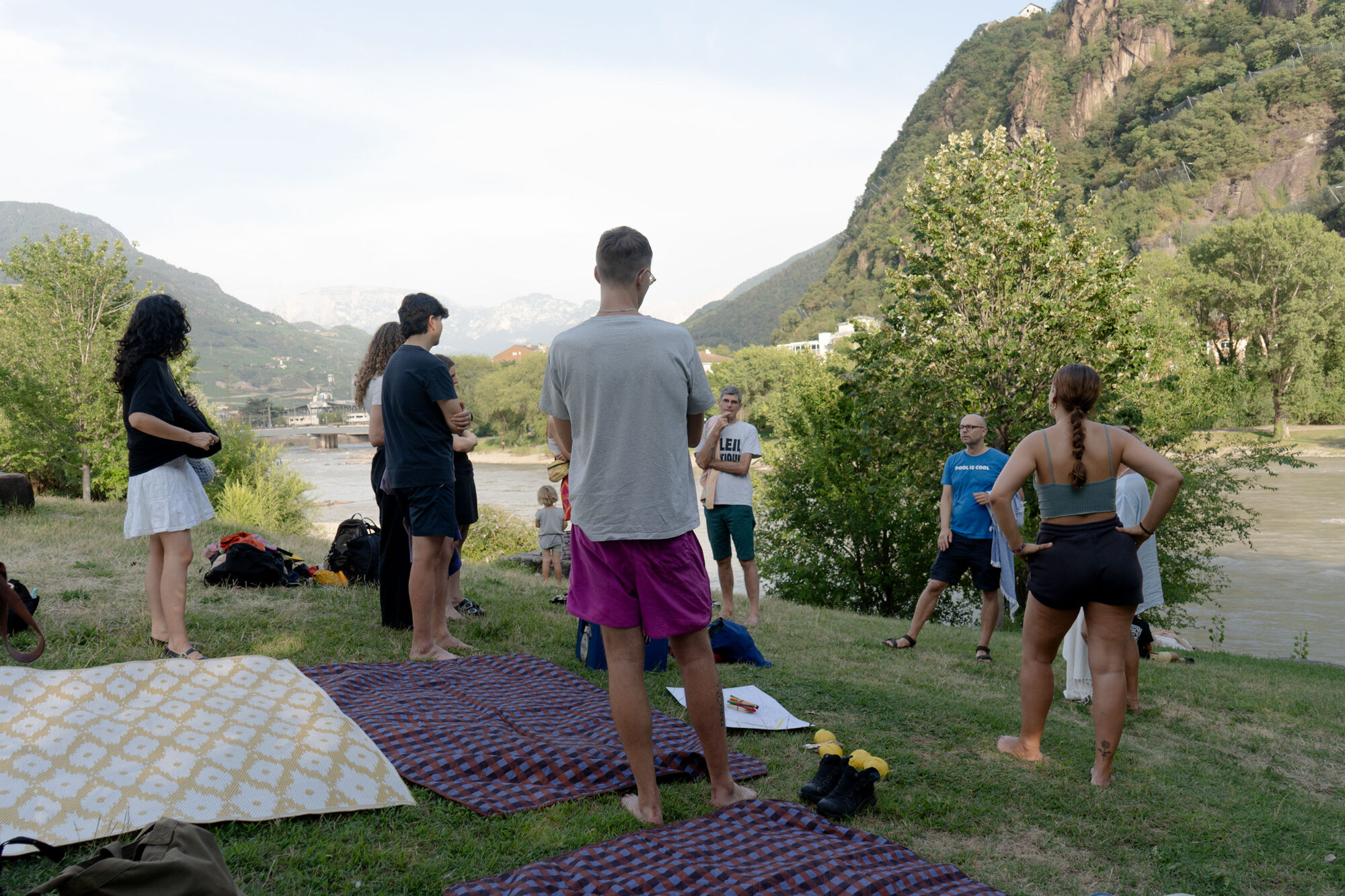
POOL IS COOL is a Brussels-based organisation that, since 2016, has been working to bring outdoor swimming back into urban life, exploring the potential of water as a public space and a place for connection.
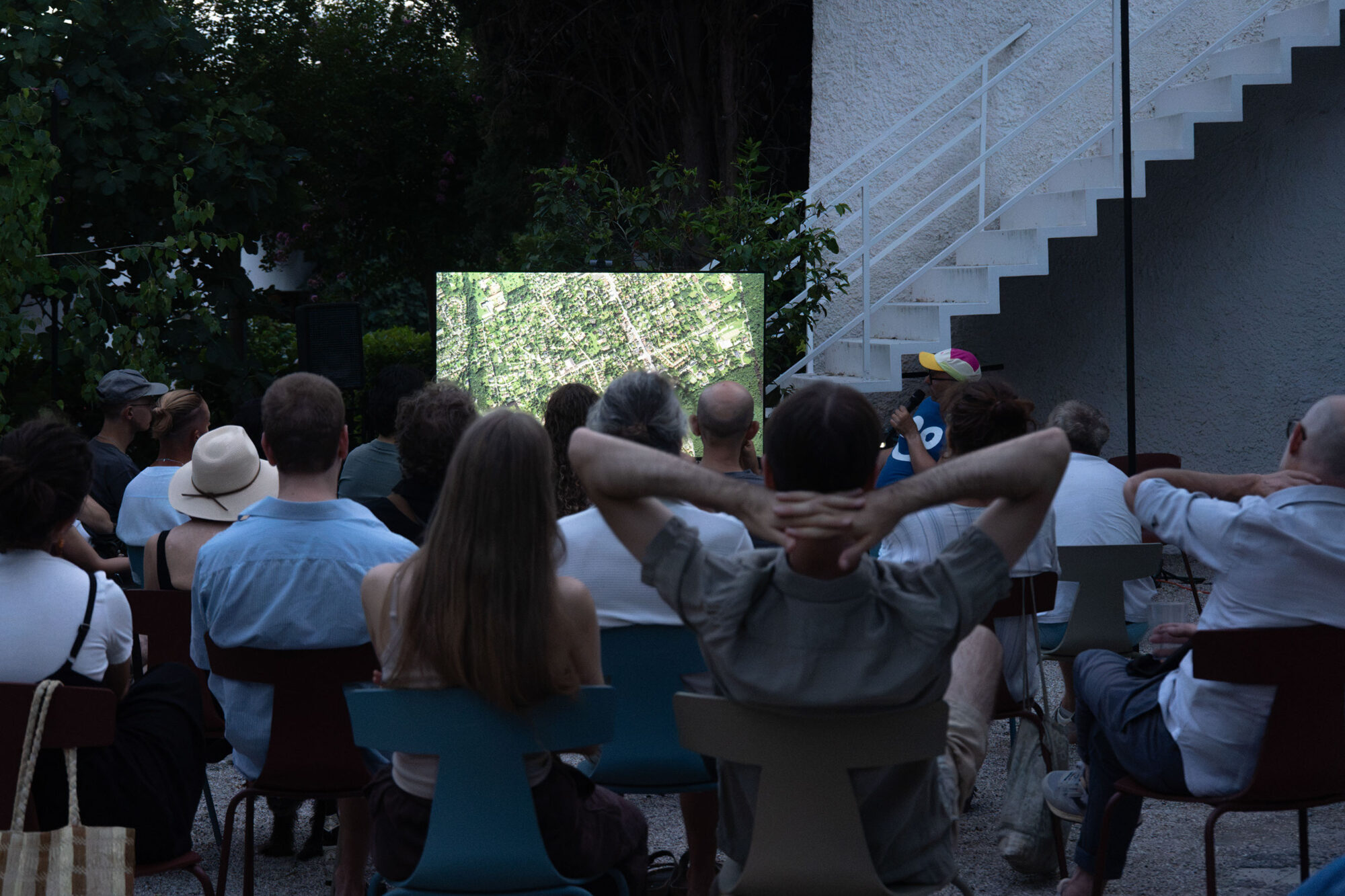
As part of the SIT-PLU public programme, Paul Steinbrück, architect and co-founder of POOL IS COOL, brings to Bolzano the experience and knowledge developed by the organisation in rethinking the relationship between cities, rivers and swimming.
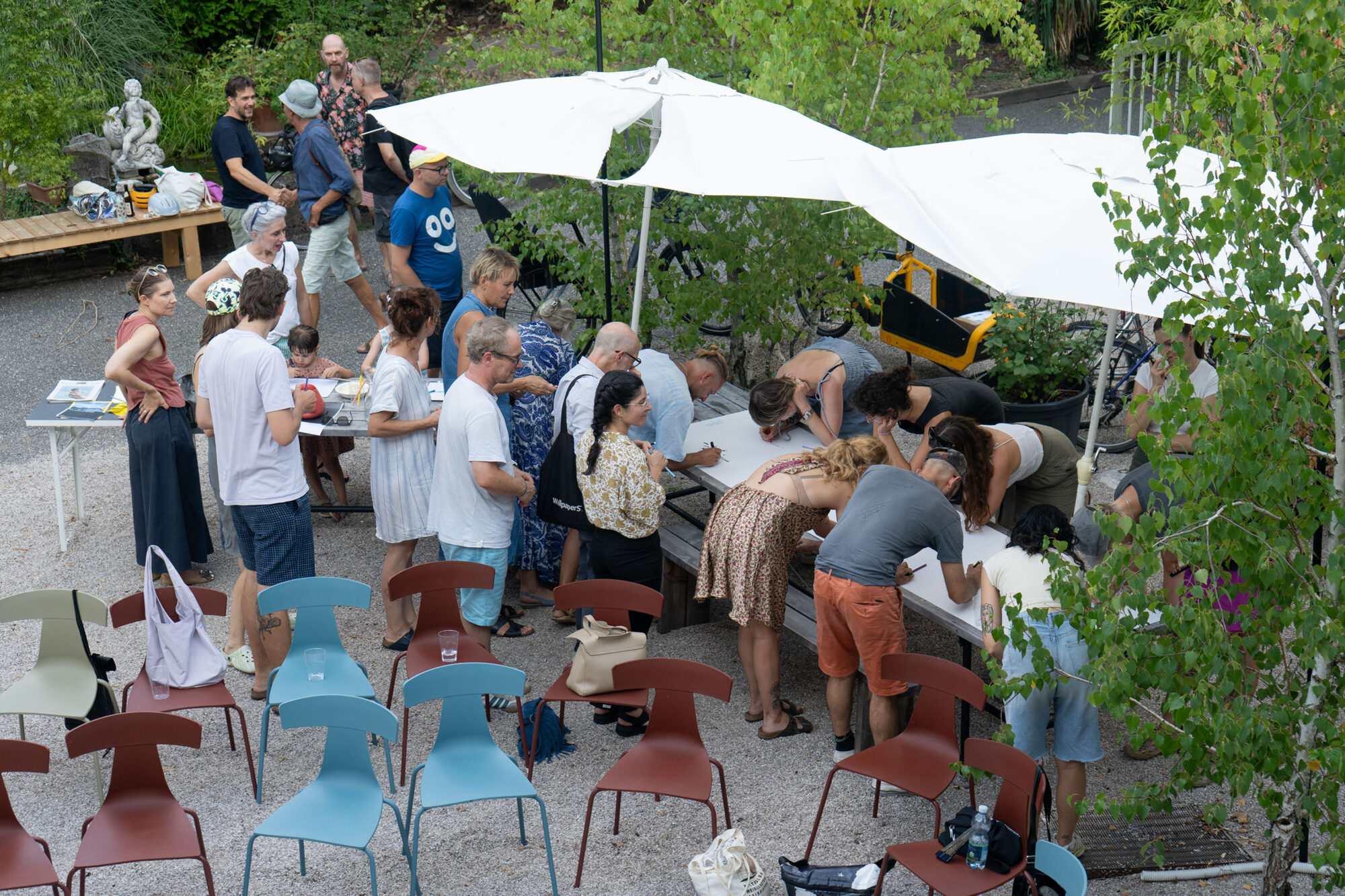
The first meeting features a workshop with the Flussbaden collective, followed by a presentation of POOL IS COOL and a discussion on the possibilities of making the river a public, accessible and conscious space.
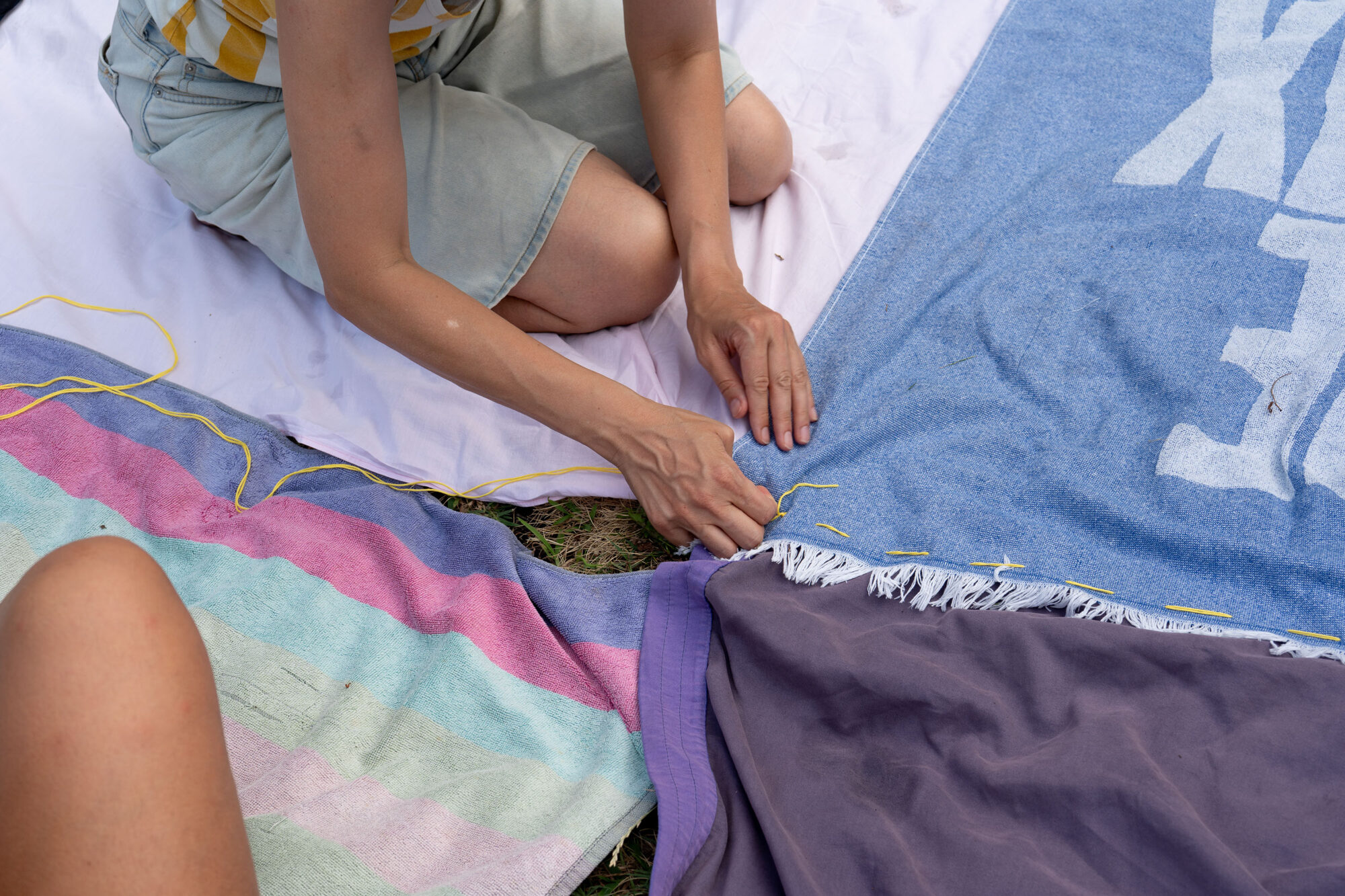
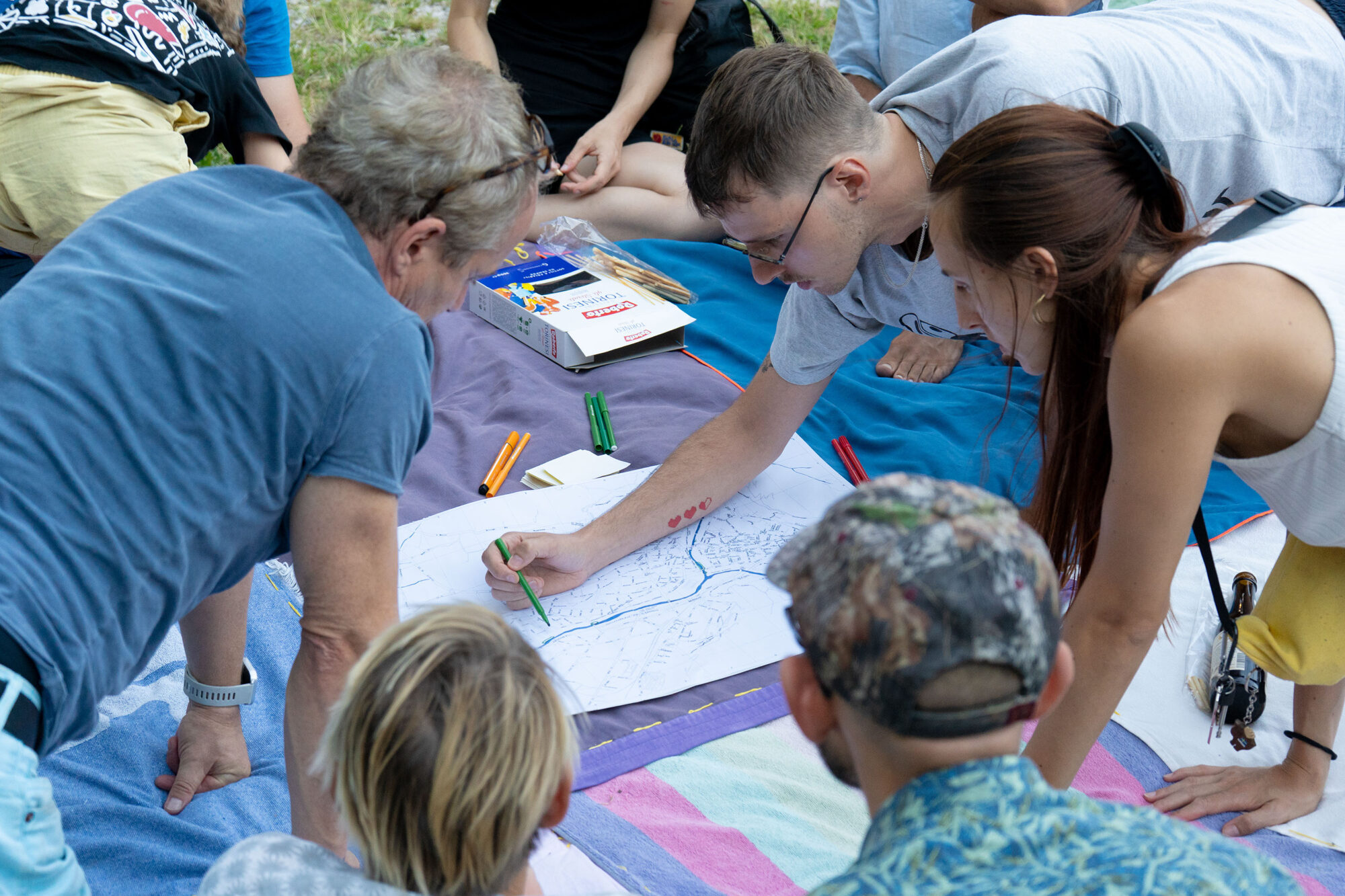
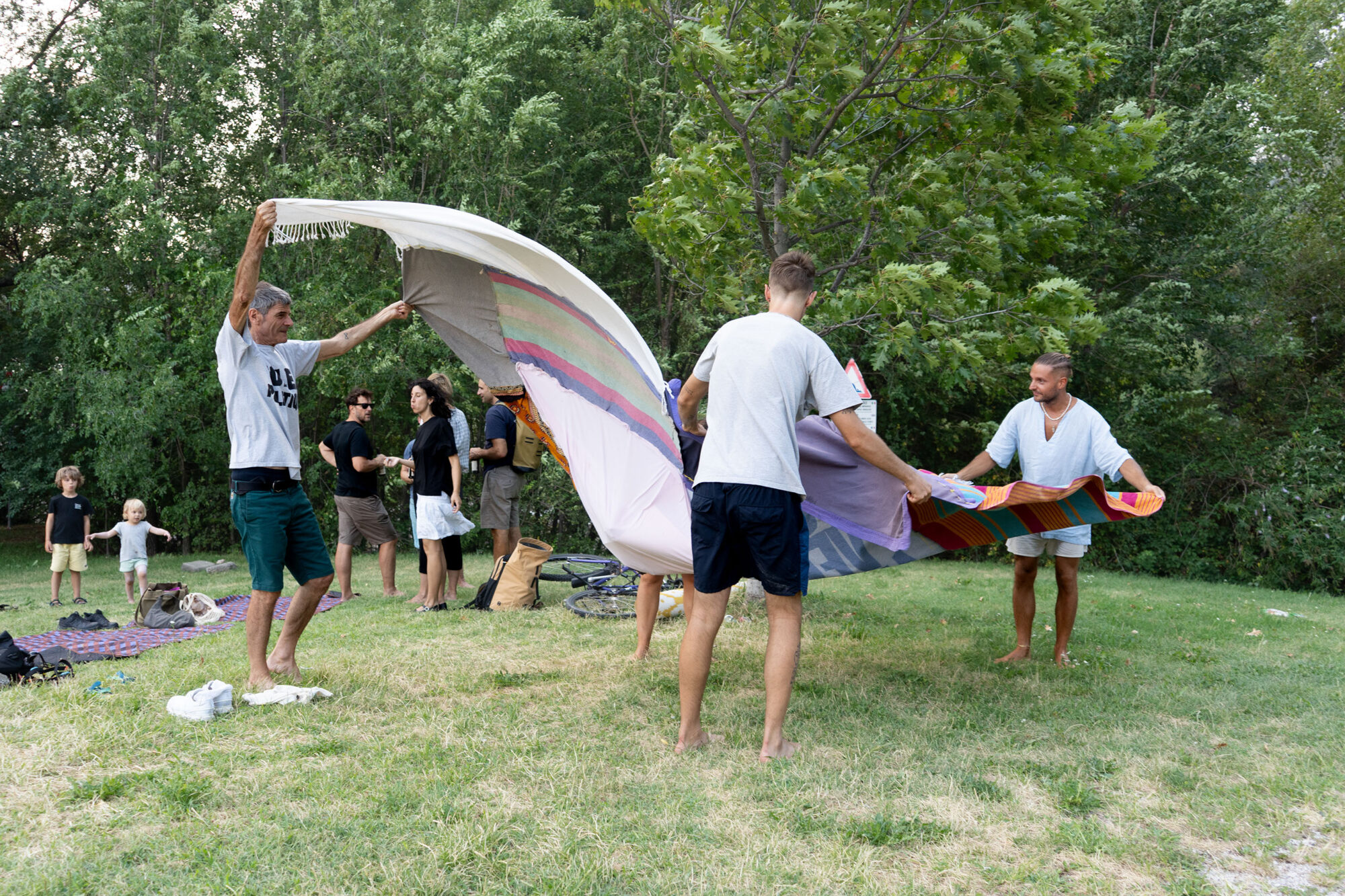
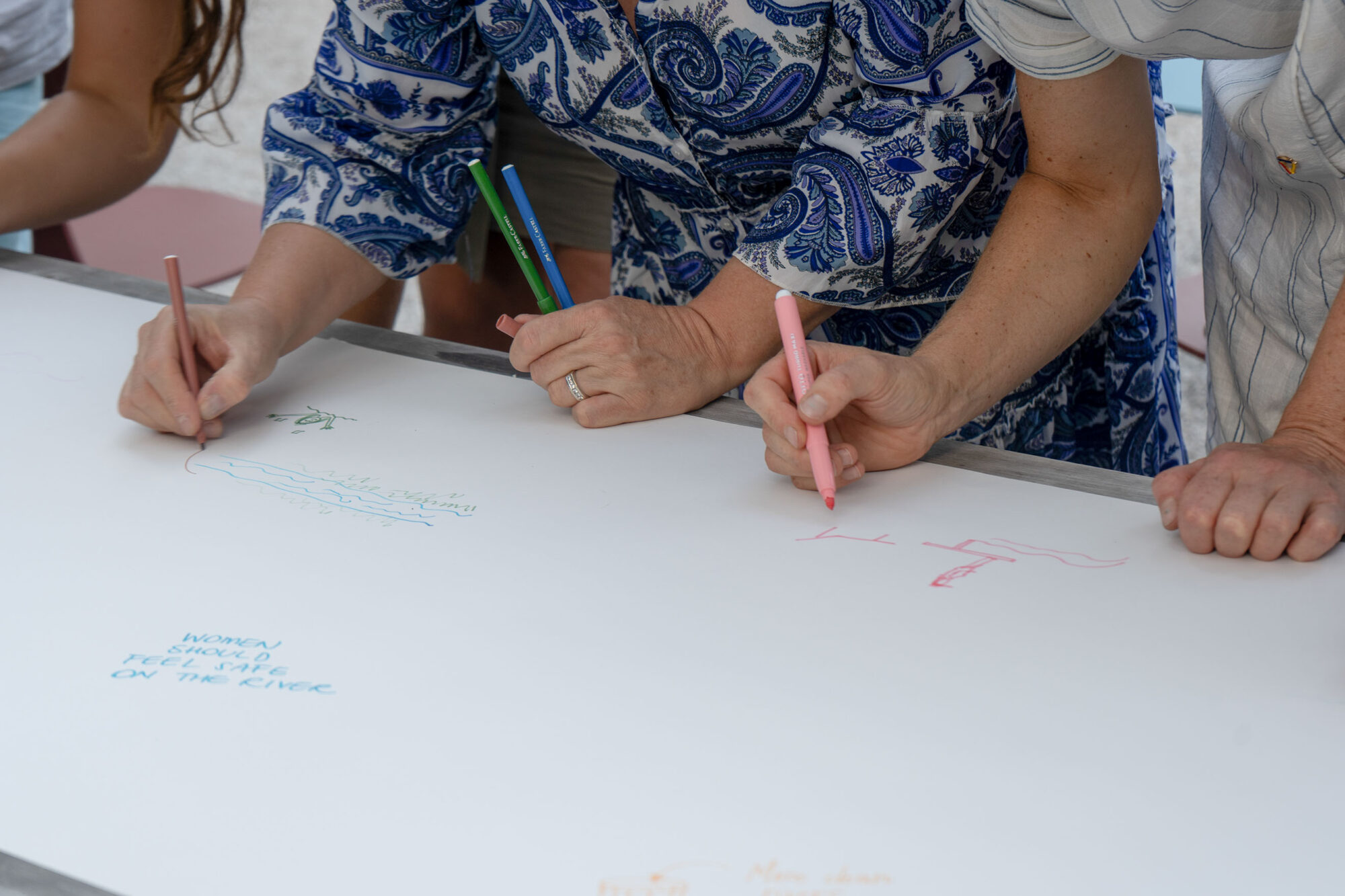
The second session moves to the banks of the Isarco River, where practice becomes a tool for observation and knowledge: participants collectively create a large shared towel, map Bolzano’s rivers and waterways, and exchange experiences, questions and reflections with Paul on safety, different urban and natural contexts, and the relationship between individual and collective responsibility.
Through these activities, the sessions connect the knowledge of POOL IS COOL with the specificities of the Bolzano area, exploring how practices, experiences and tools developed in other contexts can be adapted and translated locally. At the centre is the river as a space to know and inhabit, where new forms of relationship with water and the community can be developed.
Year
2025 – ongoing
Nel contesto di
Situated Creative Practices for the Pluriverse (SIT-PLU) is a Creative Europe Cooperation project tackling socio-ecological challenges through cross-disciplinary research, and context-specific artistic interventions
Curato da
Lungomare (Angelika Burtscher, Daniele Lupo)
Coordination
Lungomare (Elisa Del Prete)
Production
Lungomare (Paola Boscaini, Angela Bosin)
Visual Identity and Graphic Design
Lungomare (Chiara Bergese, Chiara Cesaretti)
Location
Bolzano
Partner
LUCA School of Arts (Belgium), Floating University (Germany), ZEMOS98 (Spain), Idensitat (Spain), Lungomare (Italy), Baltan Laboratories (Netherlands), EINA (Spain), Universitat Politècnica de València (UPV) (Spain)
Website
Photo Documentation
Lungomare (Paola Boscaini)
Financed by
SIT-PLU is funded by the European Union. However, the views and opinions expressed are those of the authors only and do not necessarily reflect those of the European Union or the EACEA. Neither the European Union nor the granting authority can be held responsible for them. (GA Art. 17)
and
by the Autonomous Province of Bolzano – South Tyrol, the Autonomous Region of Trentino–South Tyrol, and the Municipality of Bolzano.